Context
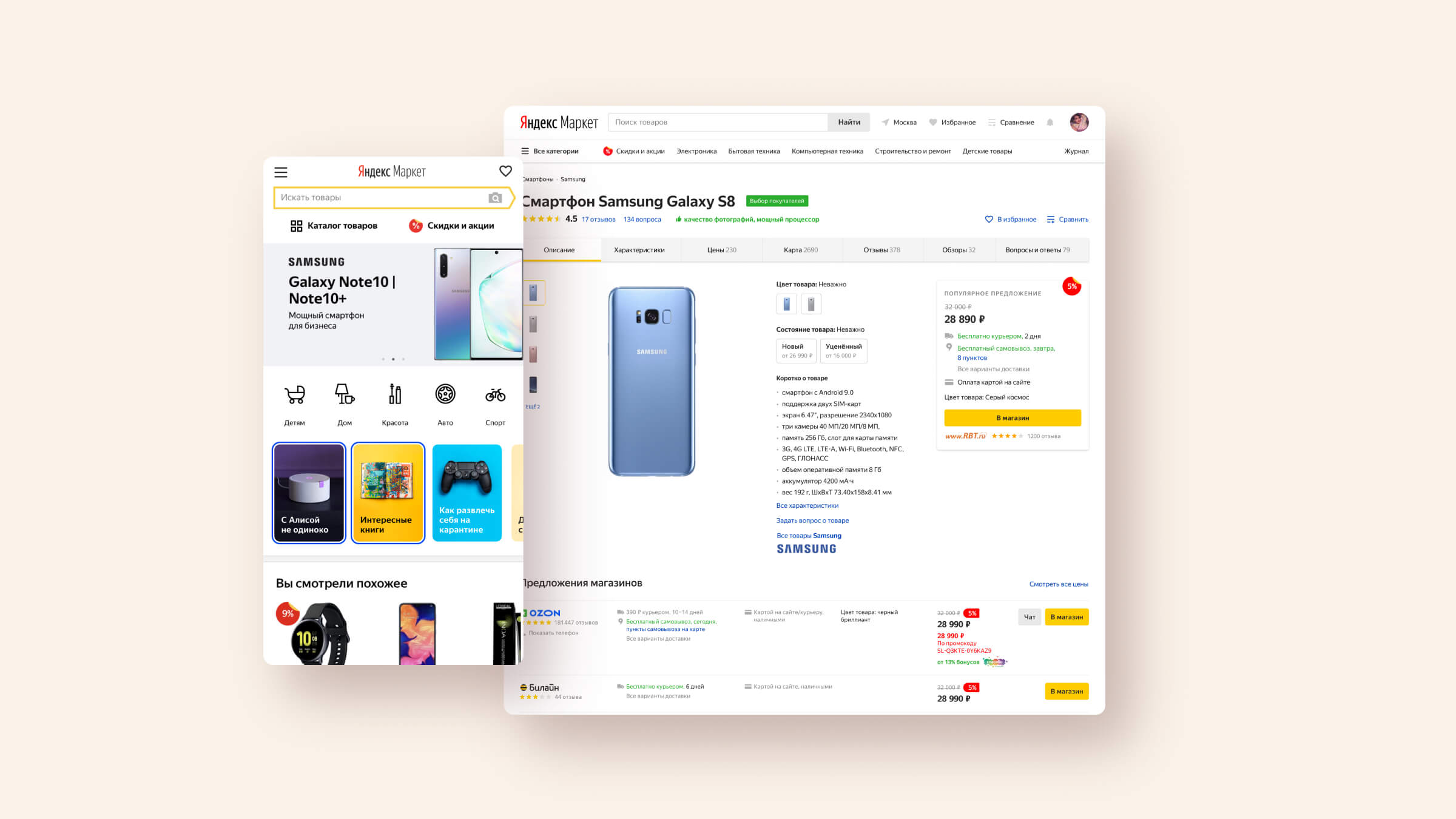
Yandex Market is one of the largest marketplaces in Eastern Europe. The platform brings together 18.2 million active buyers, over 90.7K sellers and more than 100 million products, from everyday goods to large electronics. The annual GMV is around 8.5 billion USD.
As the assortment grew, it became increasingly difficult for users to navigate and make confident purchase decisions. People primarily came to Market with an already formed intent to buy something specific, while the early discovery stage happened elsewhere: product reviews on YouTube, social media, influencers, and comparison sites.
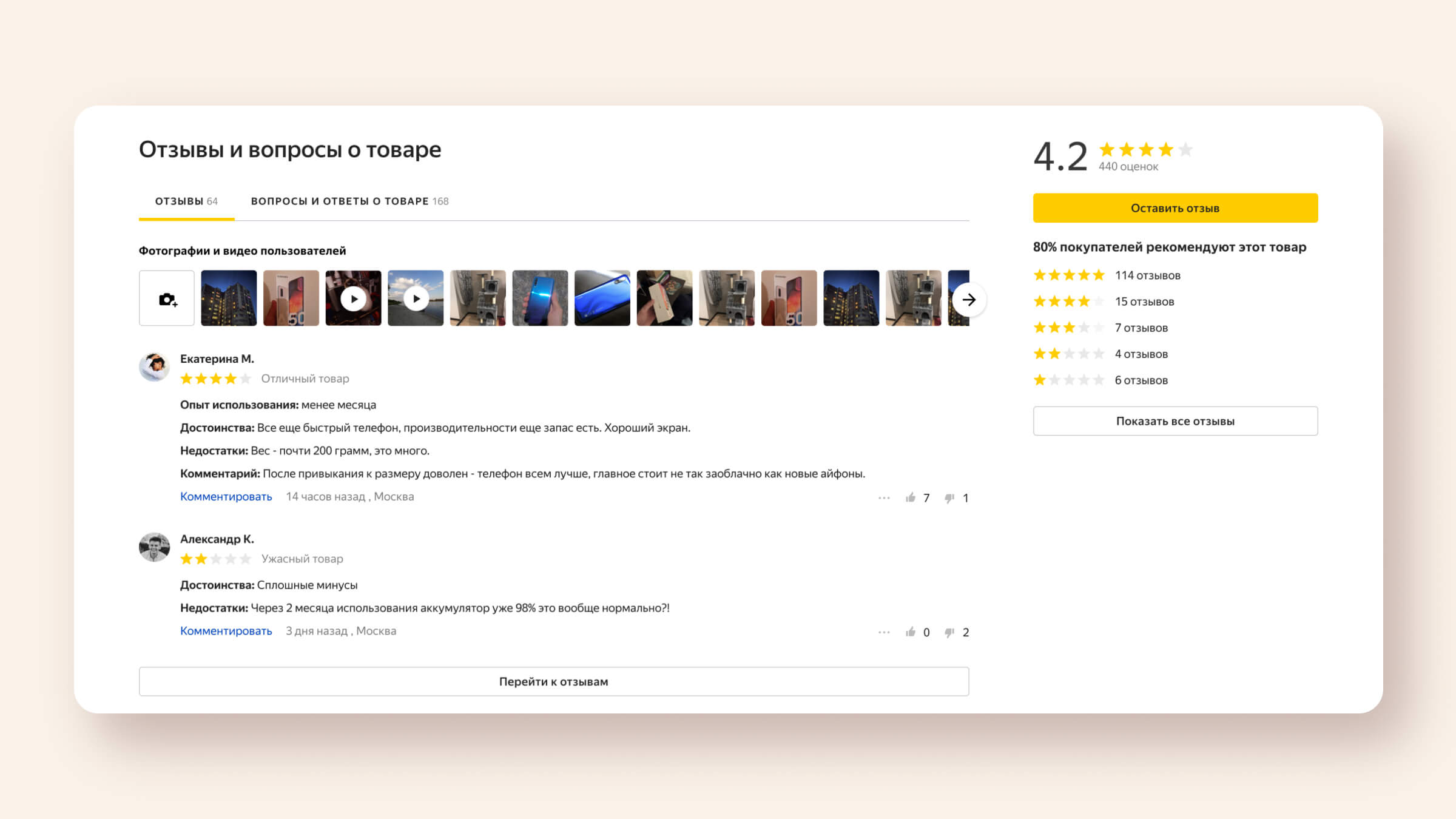
At the same time, trust was a clear problem. Users did not trust new products with no reviews, UGC such as ratings and reviews did not scale fast enough, and there was no professional or ambassador-style content at all. This created a closed loop: no content meant no trust, no trust meant no sales, and sellers could not ramp their assortment.
The pandemic in 2020 accelerated online shopping and opened a unique window of opportunity. People were at home, shopping online, but also looking for entertainment and live social interaction. This led to the idea of turning Market not only into a place where users buy products, but also into a place where they browse, learn and spend time. Live streams could allow users to explore categories, watch engaging sessions, ask questions and then purchase, all within the marketplace. In parallel, we studied Live Commerce in China, especially Alibaba Live and Douyin, where the format already generated hundreds of billions of dollars in GMV. The key insight: people buy more confidently when they see products in a social, real-time context hosted by a trusted presenter.
Year
2019 – 2021
Client
Yandex
Challenge
We needed to solve several interconnected issues at once: remove the trust barrier around products with few or no reviews, break the "no content - no trust - no sales" cycle, and shift Market from a purely transactional service "search, buy, leave" to a place users visit for ideas, entertainment, and help with product discovery. The core goal was to bring the early discovery stage back inside the marketplace, instead of letting YouTube and social platforms own it. At the same time, the solution needed to scale across brands, sellers and creators, and remain safe in terms of moderation and compliance to support enterprise-level partners.
Approach
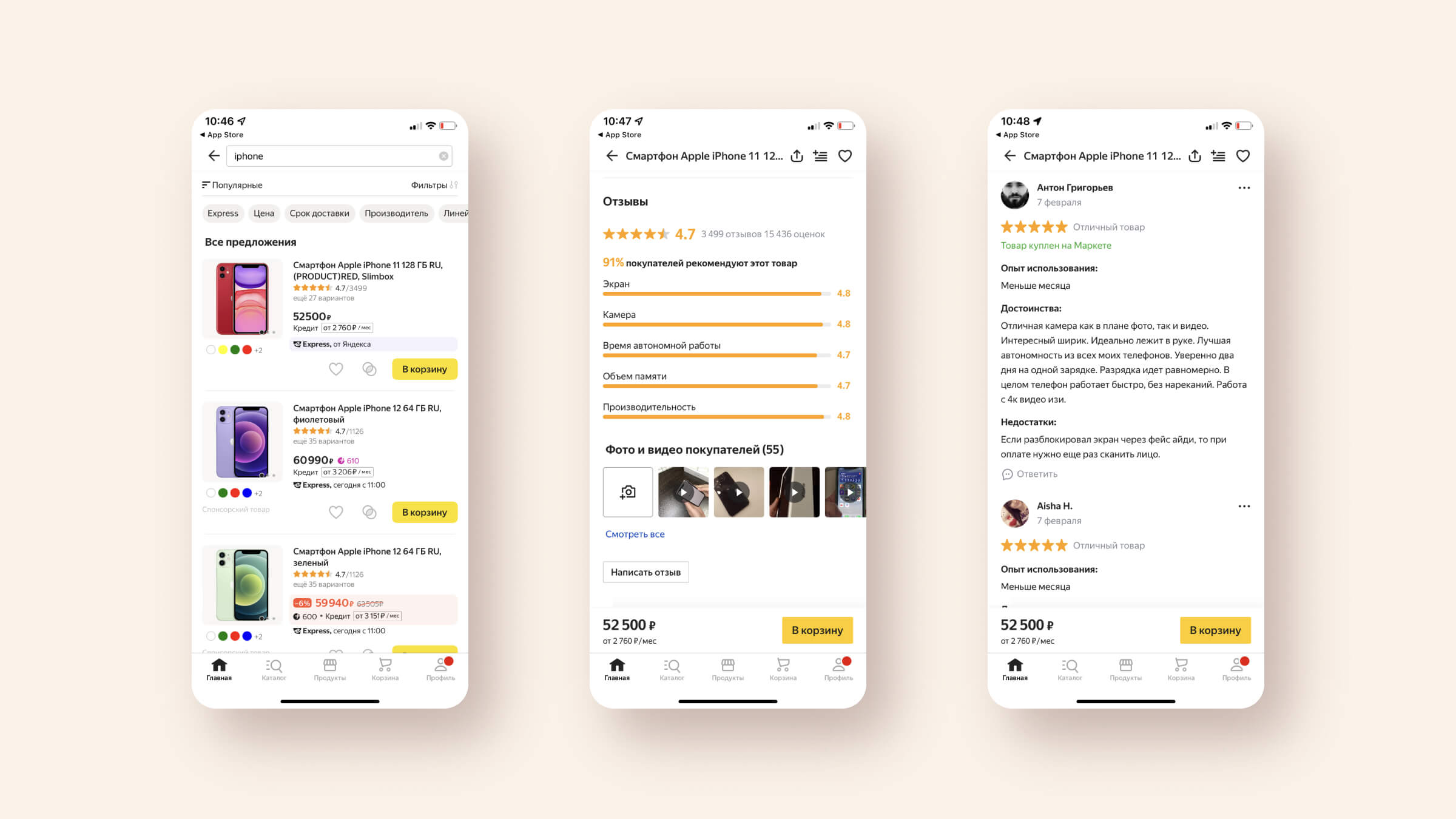
Before Live Commerce, I led design across two core areas: UGC (reviews, ratings, Q&A) and category shopping experience (browse and search flows). This gave me a deep understanding of how people research products, where they feel uncertainty, and how content influences confidence and purchase conversion.
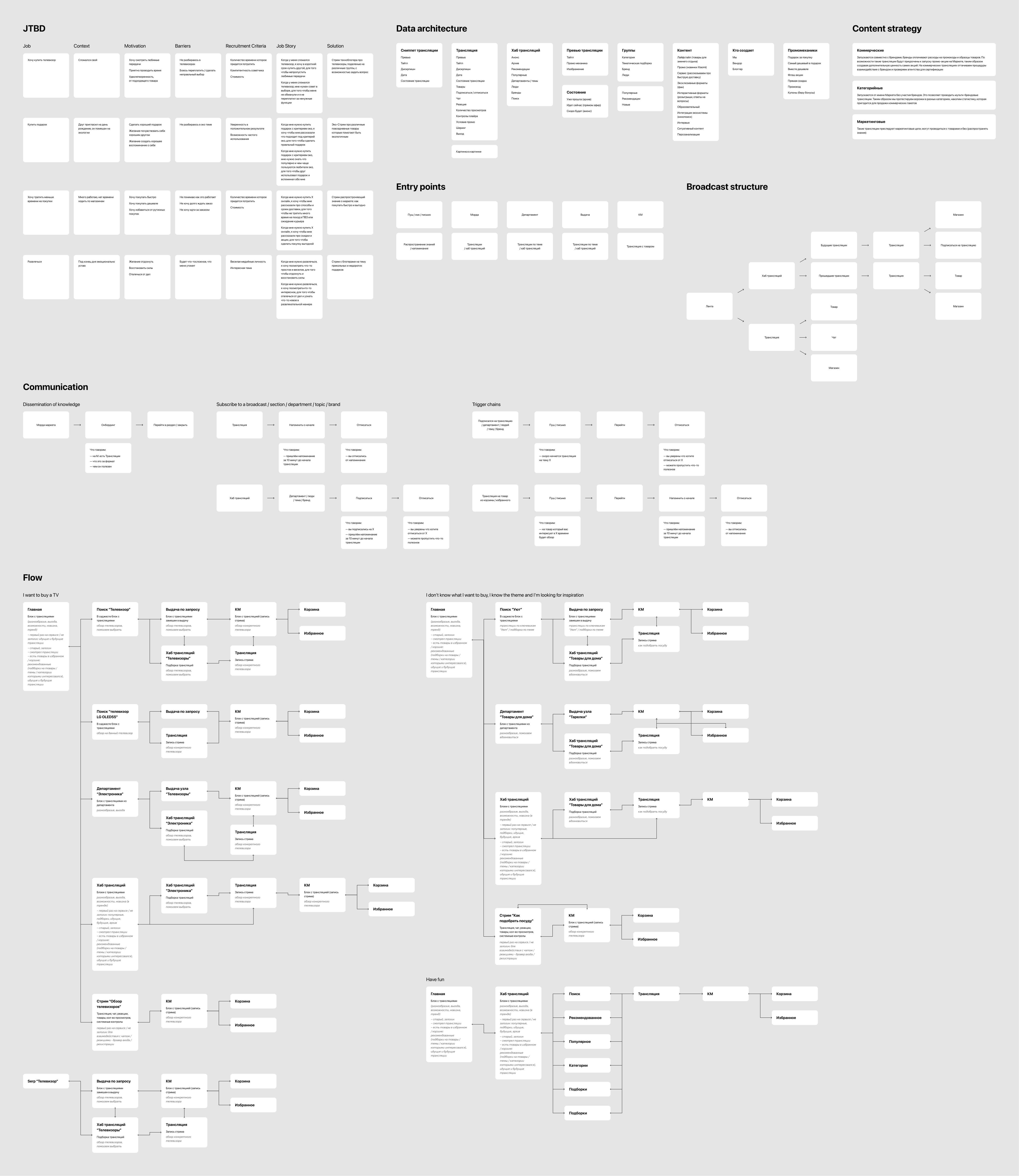
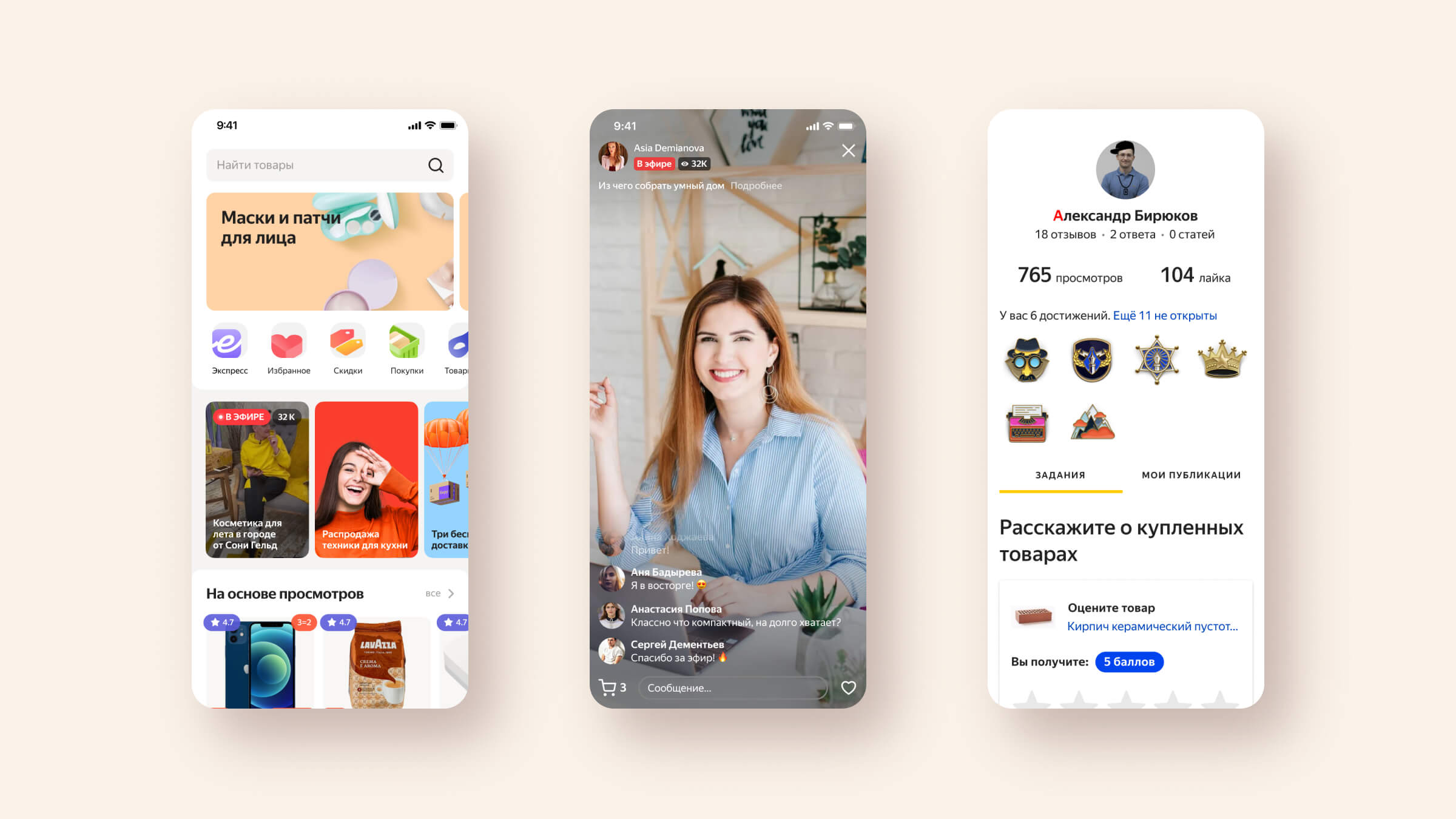
In the Live Commerce project, I led the initiative from the design side from concept to launch: shaping the overall format, designing the user experience architecture, defining how live shopping integrates into Market’s core navigation and decision journey, and guiding the cross functional team in terms of UX flows and interactions, from early concept sketches to public release. I worked closely with product, engineering, category leads and brand partnership teams to align on a shared experience vision. This alignment was important because different teams were responsible for different parts of the journey, and consistency across surfaces directly affected user trust and conversion.
Based on qualitative and quantitative user research, we defined three core user needs that shaped the product experience. First: "I need to understand whether this product is right for me." Users got lost in hundreds of similar items, and static reviews did not answer their personal questions, so we created expert-led live streams where viewers could ask questions in real time. Second: "I need social proof before I buy." New products with few reviews created hesitation, so visible viewer counts, likes and active chat helped create reassurance and a sense of buying together. Third: "I want to watch something interesting and discover products along the way." Users described opening platforms like they open a content feed, so we built entertaining and lifestyle streams where products appeared naturally in context. These needs became the design principles for the entire Live Commerce system, guiding how we structured content formats, interaction patterns and visual language across multiple categories and use cases.
The overall model was designed to benefit every part of the ecosystem. Market strengthened discovery scenarios, increased engagement time and gained incremental GMV. Creators received a new format beyond static reviews, monetization through sales and bonuses, and audience growth driven by Market’s traffic. Sellers could accelerate assortment growth, build trust and develop their own loyal audience inside the platform. Brands increased awareness and GMV with direct access to consumers, without being filtered by algorithms. Buyers received an interactive shopping experience, the ability to see products in action, ask questions, reduce decision risk and access real-time promos.
The content strategy was structured into three tracks. Commercial streams with brands and promos drove fast GMV impact. Category-focused streams hosted by Market worked as an educational discovery layer, helping users navigate categories like smartphones or fashion trends. Marketing streams with experts and public personalities focused on building long-term trust and a habit of "opening Market just to see what's new."
Impact
Live streams quickly started to influence core business metrics. In pilot categories, they generated ~3.8% of weekly GMV. The average order value among viewers was ~9% higher than the baseline. Conversion to purchase increased by ~15% on average across categories, reaching ~18% in electronics, ~24% in fashion and ~12% in home goods, reflecting stronger trust-building effects in visually demonstrable categories.
On the creator side, the initial pool of ~20 streamers showed healthy economics, with acquisition costs paying back in ~2.3 weeks. The average stream lasted ~45 minutes, with ~500–2000 concurrent viewers depending on the category and host, demonstrating consistent engagement and supporting scalable growth.
As a result, content stopped being an informational accessory and became a strategic growth driver. Users could now complete the entire discovery journey inside Market: browse, learn, feel confident and buy, without leaving for external review platforms. Live Commerce became a recurring touchpoint that increased engagement time and loyalty, and Market evolved from a transactional destination into a place people visit for ideas, discovery and entertainment.
The initiative also shifted the internal understanding of content from a supporting layer to a core driver of the purchase decision journey. This change influenced how the marketplace roadmap was planned going forward and set the foundation for future content-driven discovery and shopping features across the platform.